Advanced Techniques for Wheel Detailing You Need to Know
Table Of Contents
Applying Wheel Sealants
Applying sealants to wheels offers significant protection against environmental contaminants and road grime. A properly applied sealant creates a hydrophobic layer that repels water and dirt, making it easier to clean the wheels over time. This helps maintain their appearance and can extend the life of the wheels, especially in harsh driving conditions. When choosing a sealant, ensure it is designed specifically for wheels, as these products are formulated to withstand higher temperatures and resist brake dust accumulation.
Preparation is crucial before applying the sealant. Thoroughly clean the wheels to remove all dirt and residues. After cleaning, it is essential to dry the wheels completely to prevent moisture from interfering with the sealant's adhesion. Following the manufacturer's instructions will yield the best results. Some sealants require a specific application technique, such as using an applicator pad or a microfiber cloth, to ensure an even finish. This meticulous approach not only enhances the visual appeal but also fortifies the wheels with a long-lasting protective barrier.
Benefits of Protective Coatings
Protective coatings provide an essential layer of defence against the elements that can damage wheels over time. These coatings repel dirt, brake dust, and road grime, significantly reducing the frequency of cleaning required. By creating a hydrophobic surface, water beads off easily, preventing the build-up of contaminants that can dull the appearance of your alloys. This not only maintains the visual appeal of the wheels but also enhances their longevity, making them less susceptible to corrosion and oxidation.
Furthermore, the application of protective coatings improves the overall performance of the wheels. A smoother surface allows for better airflow and enhances heat dissipation, which can mitigate brake fade during prolonged use. This can be particularly beneficial for enthusiasts who value performance driving. Investing in a protective coating is a proactive approach to maintaining the integrity of your wheels while enjoying the aesthetic and functional advantages it offers.
Polishing Techniques for Wheels
Polishing wheels is essential for maintaining their appearance and ensuring a smooth surface free from contaminants. Start with a thorough cleaning using a dedicated wheel cleaner to remove brake dust, dirt, and grime. After rinsing and drying, inspect the wheels for any imperfections that require attention. The choice of polish is critical; select one suited for the specific material of the wheel, whether alloy or chrome. Apply a small amount of polish to a soft, clean applicator pad and work it into the surface using circular motions. This method not only enhances shine but also helps to remove light scratches and oxidation.
To achieve a superior finish, consider using a dual-action polisher. This tool can save time and provide a more consistent shine compared to hand polishing. Use the appropriate pad and polish combination for best results. Always keep the pad lubricated and avoid applying excessive pressure to prevent damage. Once polished, remember to follow up with a protective sealant to lock in the shine and provide added durability against environmental elements. Regular polishing not only improves the aesthetic value of the wheels but also contributes to their longevity.
Achieving a Mirror-Like Shine
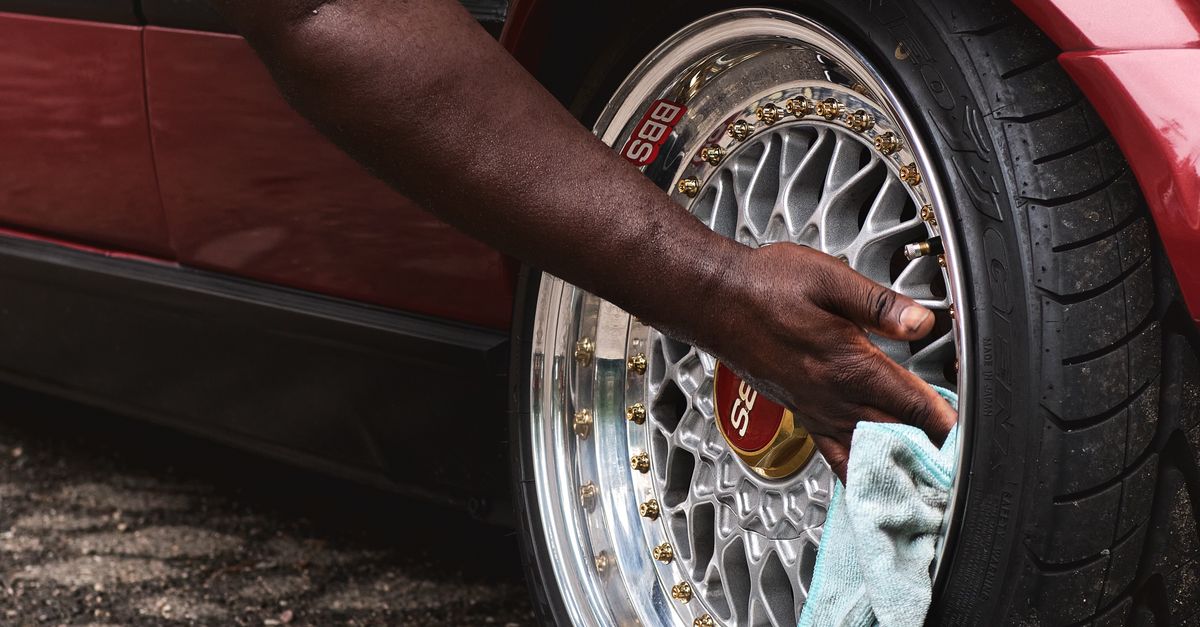
To obtain a mirror-like shine on your wheels, start with thorough cleaning. Removing all dirt, grime, and brake dust is essential for achieving that reflective finish. Use a pH-balanced wheel cleaner along with a soft brush or detailing mitt to avoid scratching the surface. Rinse well with fresh water to ensure no residue remains. Let the wheels dry completely before moving on to the polishing stage. Patience is key during this process for the final result.
Polishing should be done with a dedicated wheel polish that matches the wheel material, whether it be chrome, aluminium, or alloy. Apply a small amount of polish to a microfiber cloth, working in small sections to ensure even coverage. Use circular motions and moderate pressure to maximise shine without damaging the finish. After polishing, buff the surface with a clean cloth to reveal a brilliant, reflective surface. This technique not only enhances aesthetic appeal but also creates a protective layer against contaminants.
Tire Care and Detailing
Tire care is crucial for extending the lifespan and performance of your vehicle's tires. Regular cleaning is essential to remove dirt, grime, and brake dust, which can cause deterioration over time. A gentle wash using a dedicated tire cleaner can effectively lift stubborn contaminants. Following that, a thorough rinse ensures no cleaning agents are left behind.
Conditioning the rubber with a quality tyre dressing will enhance appearance while protecting against UV damage and cracking. Applying the product in a thin, even layer allows for better absorption, resulting in a more durable finish. It is best to use a foam applicator to avoid overspray and ensure uniform coverage. Maintaining a scheduled tire care routine guarantees optimal performance on the road.
Best Practices for Tire Conditioning
Maintaining the health and appearance of tyres is an essential aspect of car care. Regularly cleaning tyres with a mild detergent helps to remove dirt and grime. This process prevents the accumulation of harmful substances that can cause premature wear. After cleaning, it is crucial to dry the tyres thoroughly, as moisture can lead to mould and degradation of the rubber.
For conditioning, opting for a high-quality tyre dressing is advisable. Applying the dressing evenly and sparingly ensures it adheres well without creating a slippery surface. It's best to use a foam applicator to distribute the product uniformly. Reapplication should occur regularly, especially after exposure to harsh weather conditions, to maximise protection and maintain a vibrant appearance.
FAQS
What are wheel sealants, and why should I use them?
Wheel sealants are protective coatings applied to the surface of your wheels to create a barrier against dirt, grime, brake dust, and other contaminants. They help to maintain the appearance of your wheels and make cleaning easier, prolonging their lifespan.
How often should I apply wheel sealants?
It's generally recommended to apply wheel sealants every three to six months, depending on driving conditions and the type of sealant used. Regular application ensures optimal protection and a clean, polished look.
What polishing techniques can help achieve a mirror-like shine on wheels?
To achieve a mirror-like shine, use a dual-action polisher with a suitable polishing pad and high-quality polish specifically designed for wheels. Start with a cleaner or compound to remove imperfections, followed by a finishing polish to enhance the shine.
What are the best practices for conditioning tyres?
The best practices for tyre conditioning include cleaning the tyres thoroughly before applying conditioner, choosing a high-quality tyre dressing, and applying it evenly with a foam applicator. This helps to restore the tyre's natural shine and protect against UV damage.
Can I use regular car wash soap on my wheels?
While you can use regular car wash soap, it's best to use a dedicated wheel cleaner or a pH-balanced soap designed for wheels. These products are formulated to effectively break down brake dust and road grime without damaging the finish of your wheels.
Related Links
Maintaining Your Tyres: A Seasonal Guide for Tamworth ResidentsThe Importance of Wheel Protection for Long-Lasting Results
Understanding Different Tyre Care Products Available in Tamworth
Steps to Safely Clean and Polish Chrome Wheels
Top Products for Tyre Conditioning in Tamworth
How to Prepare Your Wheels for the Perfect Shine
Essential Tools for Effective Tyre Detailing in Tamworth