Common Mistakes to Avoid When Applying Ceramic Coating
Table Of Contents
Over-applying the Coating
A common issue faced by those applying ceramic coatings is the tendency to use too much product. This can lead to uneven surfaces and an unattractive finish. A thick layer may seem appealing, but it often results in a longer curing time and can trap contaminants beneath the surface. Understanding the optimal amount needed for each specific area is crucial to achieving the desired results without complications.
Achieving the right balance during application ensures proper bonding and adequate protection. A thin, even layer allows the coating to cure effectively, enhancing durability and gloss. It is advisable to read the manufacturer's guidelines and recommendations regarding application thickness. Taking the time to apply just the right amount can save both time and effort in rectifying any mistakes later on.
Understanding the Right Amount for Effective Coverage
Achieving optimal coverage when applying ceramic coating is pivotal for ensuring lasting protection and aesthetic appeal. Each product comes with specific guidelines that detail the recommended amount to use. Over-applying can lead to uneven surfaces and poor bonding. A single thin layer often suffices, allowing the underlying material to breathe while still achieving the desired protective qualities.
Using too little may compromise the coating's durability, exposing the surface to potential damage. It's beneficial to start with a moderate amount, evenly distributed to avoid streaking or patches. Properly assessing the surface area can help in estimating the right quantity needed. Testing a small section before proceeding can provide a clear indication of how much product is necessary for complete and effective coverage.
Ignoring Environmental Conditions
Environmental conditions play a crucial role in the success of ceramic coating applications. Factors such as temperature, humidity, and wind can significantly influence how the coating adheres to the surface. For instance, applying the coating in high humidity can lead to improper curing, resulting in a less durable finish. Similarly, extreme temperatures can affect the viscosity of the coating, leading to uneven application or inadequate bonding with the substrate.
Before starting the application, it's essential to check the weather forecast and choose a day that meets the recommended conditions for ceramic coatings. Ideally, temperatures should be moderate, typically between 10°C to 30°C, while humidity levels should be kept below 70%. Taking these precautions ensures that the coating cures correctly, maintaining its protective properties and longevity.
The Impact of Weather on Ceramic Coating Application
Weather conditions play a significant role in the success of a ceramic coating application. High humidity can lead to improper curing, affecting the overall integrity of the coating. Ideal conditions typically involve a temperature range of 15°C to 30°C and low humidity levels to ensure the coating bonds well to the surface. Adverse weather can cause the coating to become uneven, which may compromise the protection it offers.
Cold temperatures can slow down the curing process, leaving the coating vulnerable to contaminants. Rain or sudden changes in temperature can also jeopardise the application, potentially leading to streaks or damage. It’s crucial to plan the application for a day with stable weather, ensuring optimal conditions for the ceramic coating to perform as intended. Being mindful of environmental factors contributes greatly to the durability and aesthetic appeal of the finished product.
Failure to Use the Right Tools
Using inadequate tools can lead to subpar application of ceramic coatings. Essential tools include a foam applicator, microfiber towels, and a good quality polish. A foam applicator allows for an even spread, crucial for achieving a flawless finish. Microfiber towels help in buffing and removing excess coating without causing scratches, making them indispensable for the process. Neglecting these tools can result in uneven application, affecting durability and aesthetics.
Another common mistake is attempting to use tools not specifically designed for ceramic coatings. Standard applicators may not provide the precision needed, potentially leading to streaks or missed spots. It's vital to invest in high-quality tools that have been proven effective in the application process. This investment pays off in the long run with better results and easier maintenance.
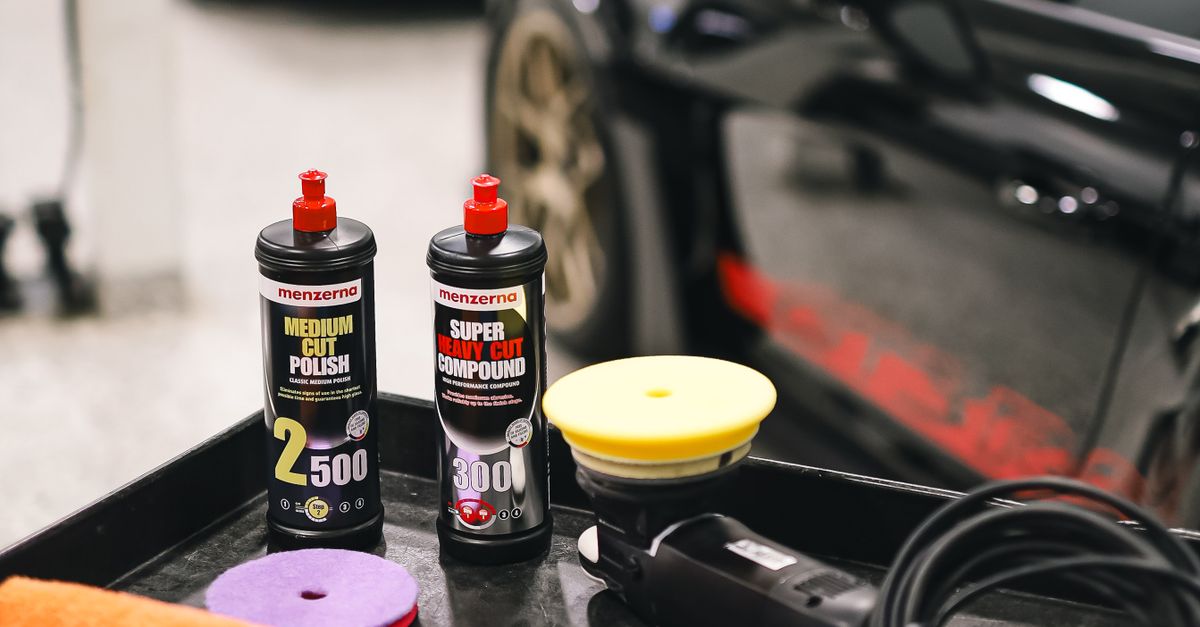
Essential Tools for a Successful Ceramic Coating Job
Selecting the right tools is crucial for achieving a professional finish when applying ceramic coating. A few essential items include a foam applicator pad, micofibre towels, and a quality polishing machine. The foam applicator ensures an even application of the coating, minimising streaks and ensuring comprehensive coverage. Microfibre towels are perfect for buffing and ensuring any excess product is removed, while a polishing machine can help prepare the surface by providing an effective level of shine prior to application.
In addition to these basics, a paint thickness gauge can be beneficial in assessing how much coating is necessary without compromising the underlying layers. A good-quality spray bottle filled with distilled water is handy for cleaning surfaces before application, ensuring any contaminants are properly removed. Having a sufficient supply of masking tape can help protect areas that should not be coated, preserving the integrity of seals and trims. Each of these tools plays a vital role in ensuring a smooth and effective ceramic coating process.
FAQS
What happens if I over-apply ceramic coating?
Over-applying ceramic coating can lead to streaks, uneven coverage, and may even cause the coating to fail to cure properly, resulting in a less effective protective layer.
How can I determine the right amount of ceramic coating to use?
The right amount of ceramic coating typically depends on the product instructions and the size of the area being coated. It’s best to start with a small amount and gradually add more as needed, ensuring even coverage without over-saturating the surface.
Why is it important to consider environmental conditions when applying ceramic coating?
Environmental conditions, such as temperature and humidity, can significantly affect the curing process of ceramic coatings. Applying the coating in extreme weather can lead to improper bonding or curing, ultimately compromising the coating's effectiveness.
What weather conditions are best for applying ceramic coating?
Ideally, ceramic coating should be applied in a dry environment with temperatures between 20-25°C (68-77°F) and low humidity levels. This ensures optimal curing and adhesion of the coating to the surface.
What tools are essential for a successful ceramic coating application?
Essential tools for applying ceramic coating include a quality applicator pad, microfiber towels for buffing, and possibly a clay bar for surface preparation. Ensuring you have the right tools can help achieve a smoother and more effective application.
Related Links
Comparing Ceramic Coating with Traditional WaxingFAQs About Ceramic Coating for Local Car Enthusiasts
Choosing the Right Ceramic Coating Product for Your Vehicle
Essential Prep Work Before Ceramic Coating Your Car
The Longevity of Ceramic Coating: What You Need to Know
Understanding the Science Behind Ceramic Car Coatings
How to Properly Apply Ceramic Coating in Tamworth