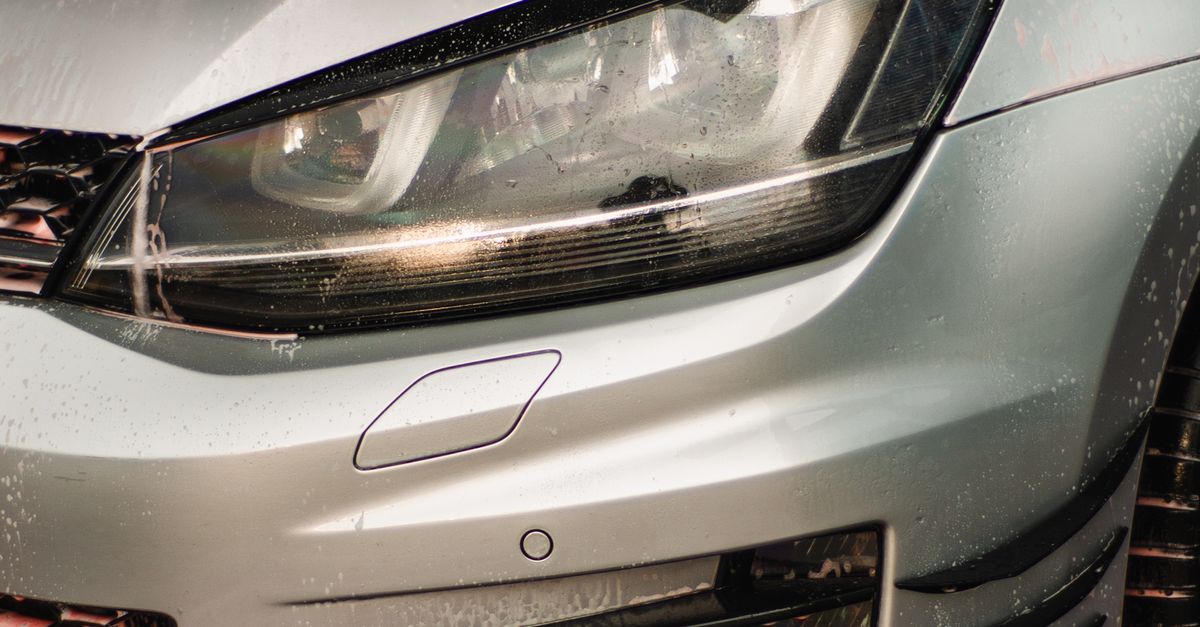
Understanding the Importance of Paint Correction for Your Vehicle
Table Of Contents
DIY vs. Professional Paint Correction
Many car enthusiasts consider tackling paint correction themselves. This approach can save money and provide a sense of accomplishment. With the right tools and products, a DIY enthusiast can effectively remove minor imperfections such as swirl marks and light scratches. Online tutorials and product reviews can guide individuals through the process, making it accessible for those willing to invest time and effort.
On the other hand, professional paint correction services come with expertise that can yield superior results. Skilled detailers use advanced equipment and techniques that may not be available to the average DIYer. They can identify issues that might be overlooked, ensuring a more thorough correction. Although the cost is higher, the quality of finish typically justifies the expense, especially for owners seeking a showroom-ready appearance for their vehicles.
When to Hire an Expert
Certain situations warrant the expertise of a professional when it comes to paint correction. If a vehicle has deep scratches, swirl marks, or extensive oxidation, a trained detailer can assess the damage and determine the best methods for restoration. Attempting to tackle significant imperfections without proper tools and knowledge may lead to further damage, making it essential to seek help when the problem exceeds basic maintenance.
Timing also plays a key role in deciding whether to enlist a professional's assistance. If a vehicle shows signs of wear and tear from environmental factors like UV rays or contaminants, a professional can safely rejuvenate the paintwork. Delaying repairs can result in more costly fixes down the line, so recognising when to call in the experts can save both time and money in the long run.
The Cost of Paint Correction Services
The price of paint correction services can vary significantly based on several factors. Basic correction might range from a few hundred dollars, while more extensive services could reach into the thousands. The condition of the vehicle's paint and the extent of imperfections play a crucial role in determining the final cost. Additionally, the expertise and reputation of the service provider can impact pricing. Higher-end detailers may charge more, reflecting the quality of their techniques and equipment.
Understanding what influences the cost is essential for making an informed decision. Labour time is a significant factor; more intricate jobs require more hours to achieve the desired results. The type of products used during the correction process can also affect the price. Some detailers use premium compounds and polishes, which may come with a higher price tag but often lead to superior outcomes. Ultimately, it pays to research and compare options to ensure you receive quality service that fits your budget.
Factors Influencing Pricing
The pricing for paint correction services can vary significantly based on several key factors. The condition of the vehicle’s paint surface plays a crucial role. If the paint has deep scratches, swirls, or oxidation, the process requires more time and skill, leading to higher costs. Additionally, the size and type of vehicle also influence pricing, as larger vehicles generally demand more materials and labour.
The expertise of the professional performing the correction is another important consideration. Established detailers with a strong reputation will often charge premium rates due to their experience and quality of work. The materials used during the correction process can also affect the overall price. High-quality polishes and tools tend to come at a higher cost but often lead to superior results.
Maintaining Your Vehicle Post-Correction
After investing time and resources into paint correction, maintaining your vehicle’s finish is crucial for long-lasting results. Regularly washing your car with a pH-neutral soap will help remove contaminants without causing damage. Soft microfiber towels should be used for drying to avoid swirling and scratching the surface. Additionally, consider applying a protective wax or sealant periodically. This adds a layer of defence against environmental factors like UV rays and bird droppings that can harm the paint over time.
Protective measures extend beyond just washing. Parking in shaded areas or using a car cover can greatly reduce the risk of paint fading and damage from the sun. Avoid automatic car washes with abrasive brushes, as well as harsh chemicals that may strip away protective coatings. Regular inspections of the paint will help you identify minor issues before they escalate. Taking these simple steps will not only enhance the aesthetic of your vehicle but also preserve the quality of the paintwork for years to come.
Tips for Long-lasting Results
After investing time and effort into paint correction, maintaining the newly restored finish is crucial for longevity. Regular washing with a pH-neutral car shampoo helps remove dirt and contaminants without damaging the surface. Consider using a foam cannon for gentle cleaning. Soft microfiber cloths are ideal during the drying process, as they reduce the risk of introducing new scratches.
Applying a high-quality wax or sealant can provide an additional layer of protection against UV rays and environmental pollutants. Regularly checking for signs of wear or damage will allow you to address any issues promptly. Avoid parking under trees or in direct sunlight for extended periods. These simple practices can significantly extend the life of your vehicle's revitalised appearance.
FAQS
What is paint correction?
Paint correction is the process of restoring and revitalising the paintwork of a vehicle by removing imperfections such as swirl marks, scratches, and oxidation, resulting in a smoother and shinier surface.
Can I do paint correction myself?
Yes, you can perform DIY paint correction; however, it requires proper tools, techniques, and a good understanding of the paint surface. For beginners, it may be beneficial to consult tutorials or consider hiring a professional.
How do I know when to hire a professional for paint correction?
It’s advisable to hire an expert when the damage is extensive, such as deep scratches or severe oxidation, or if you're unsure about the process. Professionals have the experience and tools to achieve the best results without risking further damage.
What factors influence the cost of paint correction services?
Several factors can influence the cost of paint correction, including the severity of the paint damage, the size of the vehicle, the type of services required, and the reputation of the detailing company.
How can I maintain my vehicle’s paint after correction?
To maintain your vehicle's paint after correction, regularly wash it using a pH-neutral car shampoo, apply a high-quality wax or sealant for protection, park it in the shade or use a car cover, and avoid automatic car washes that may cause new scratches.
Related Links
Techniques to Achieve a Flawless Finish in Car Paint CorrectionCommon Paint Defects and How to Correct Them
Addressing Swirl Marks: Techniques for Successful Removal
The Role of Polishing in Paint Correction Processes
Understanding Different Types of Paint Correction Techniques
How Weather Affects the Need for Paint Correction